What to Check Before You Book a Desert ATV Ride
Booking an off-road ride is easy. Choosing the right one takes a little more thought. A desert trail can feel very different depending on the terrain, the pace, the group size and the safety setup. Before you confirm a reservation, look past the photos and check the details that affect comfort, timing and peace of mind.
The aim is not to overthink the day. It is to match the ride to the people going, especially if some riders are new to an all-terrain vehicle. A few careful questions before booking can prevent a mismatch between expectations and the experience on the sand.
Rider fit and experience level
Start with the rider, not the vehicle. ATV riding asks for balance, arm strength and quick reactions, especially over uneven sand. A beginner may enjoy a gentle route with steady guidance, while an experienced rider may want longer stretches of open desert and more varied turns.
Check whether the ride suits single rider use or shared driving. If children or less confident riders are joining, look for a format that keeps the pace manageable and avoids pressure to keep up with faster riders. Age rules, height limits and passenger rules should be clear before arrival, because these details can change what is possible on the day.
It also helps to be honest about physical limits. Shoulder, wrist or back discomfort can be aggravated by bumps and steering effort. If anyone in the group is unsure, choose a shorter, calmer option rather than trying to upgrade later.
Route, terrain and pace
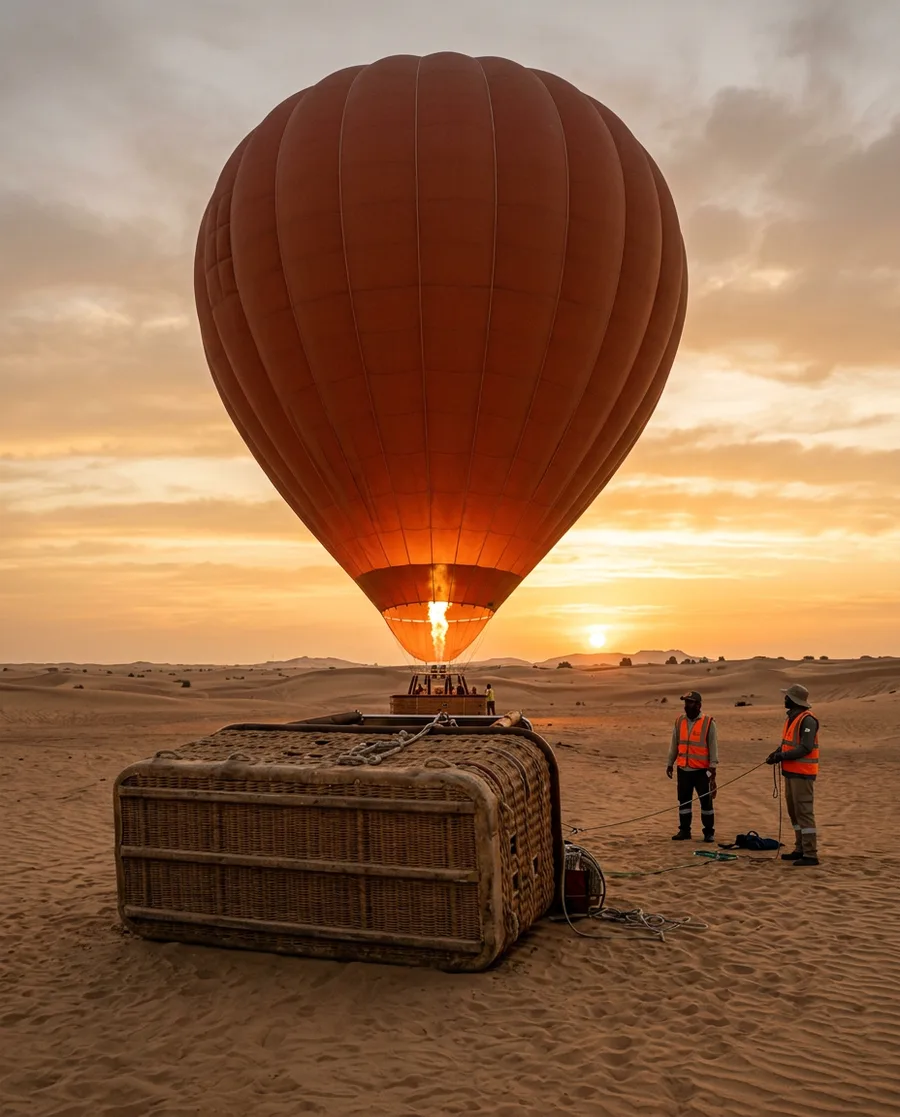
Not every desert trail is the same. Some routes follow softer sand dunes, some use firmer tracks and some mix both. Soft sand can be slower and more tiring to steer. Firmer ground may allow a quicker pace but can feel rougher when the surface is uneven.
Ask what kind of terrain the ride usually covers and how the pace is set. A guided tour should make the route clear, including whether riders stay in a line, stop for photos and regroup at corners. This matters for mixed groups, since a fast lead rider can make the experience stressful for everyone behind.
Also check the length of the ride in practical terms. A short ride can still be full on if it includes steep dunes and repeated stops. A longer route may be fine if the pace is relaxed. Think about the whole outing, not only the time on the ATV quad bike. Travel time, briefing time and breaks all shape the day.
Safety setup and riding rules
Safety is one of the most useful areas to check before booking. Helmet safety should be treated as a basic requirement, not a bonus. A helmet needs to fit properly, sit level and stay secure without slipping forward over the eyes.
Ask what safety briefing is given before riders head out. A clear briefing should cover hand signals, following distance, what to do if the vehicle tips or stalls, and when to slow down. Riders should know how to stop safely and what to do if they become separated from the group.
It is also worth asking about clothing advice. Closed shoes are sensible, and loose scarves or dangling accessories can catch on controls. Sun protection matters in the desert, but loose items should be secured. If glasses are worn, they need to work with the helmet rather than push it out of position.
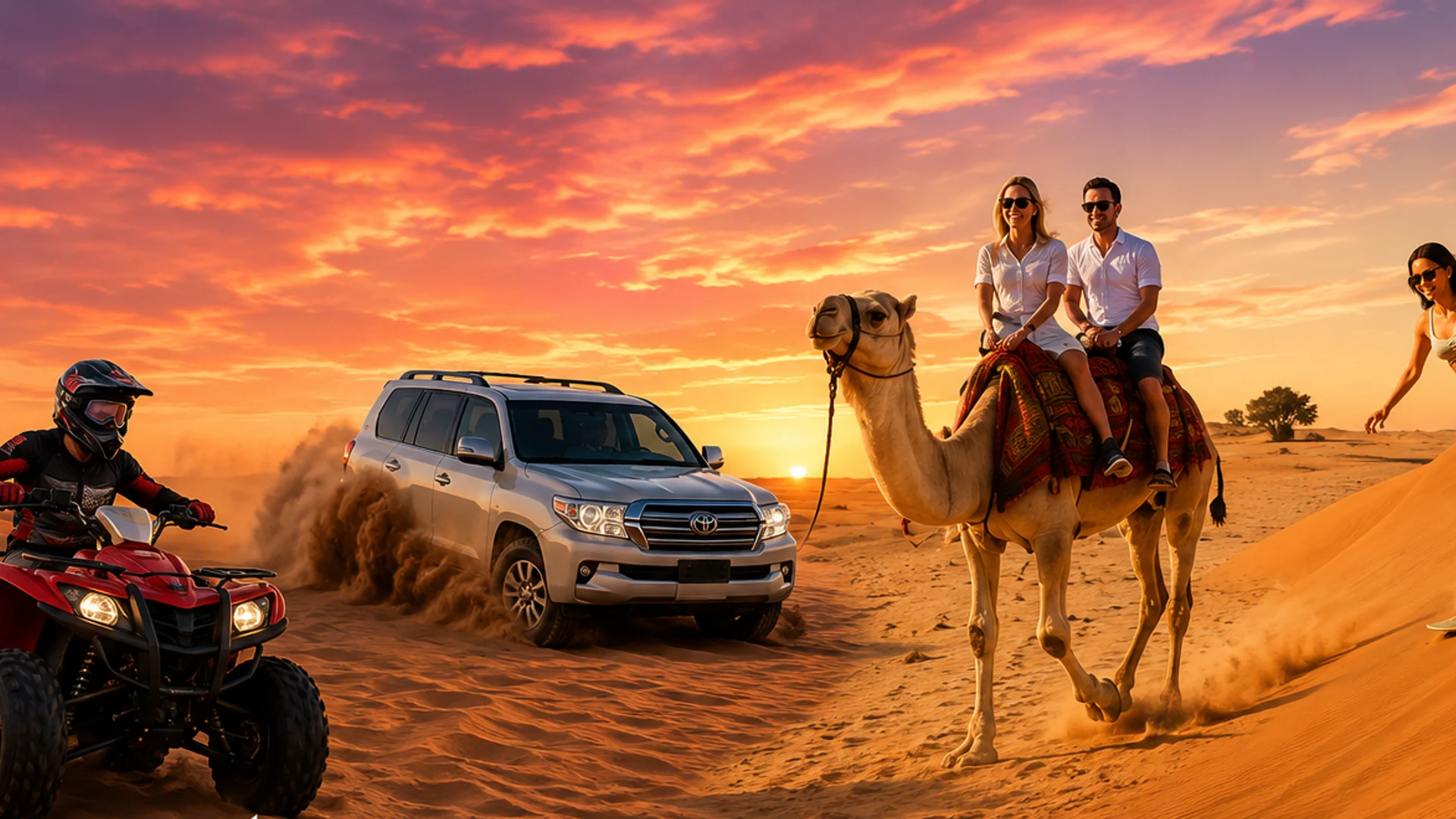
For ATV Ride Dubai, the same practical approach applies: check how the ride is managed, how riders are briefed and how the route is matched to ability. Good safety habits should be easy to understand before the booking is made, not explained in a rush at the start.
Vehicle condition and rider controls
An all-terrain vehicle should feel predictable. Before the ride begins, take a moment to notice how the controls feel and whether the machine responds smoothly. Steering should not feel oddly tight, and the throttle should not feel stuck or sudden. Braking should feel steady when tested at low speed in a safe area.
Riders should be shown where the main controls are and how to use them before moving off. This is particularly useful for first-timers who may be unfamiliar with handlebar layout or the way weight shifts through a turn. Body position has a real effect on balance, so listen to the short instructions and use them from the start.
If anything feels wrong with the vehicle, say so before heading onto the trail. A small issue at the start can become a bigger problem on sand. A responsible operator would rather pause and sort it out than continue with a rider who feels unsure.
Timing, weather and desert conditions
Desert conditions change through the day. Sand can feel hotter at midday, and light can fade quickly later on. Ask what time slots are available and how the schedule works around heat, wind and visibility. A cooler part of the day may be more comfortable for new riders, while others may prefer softer light for views and photos.
Check what happens if conditions are not suitable. Windblown sand can make riding uncomfortable, and heavy rain can change tracks. A clear plan for delays or changes helps avoid confusion. It is also sensible to ask what is included in the booking and what riders need to bring, so there are no last-minute surprises.
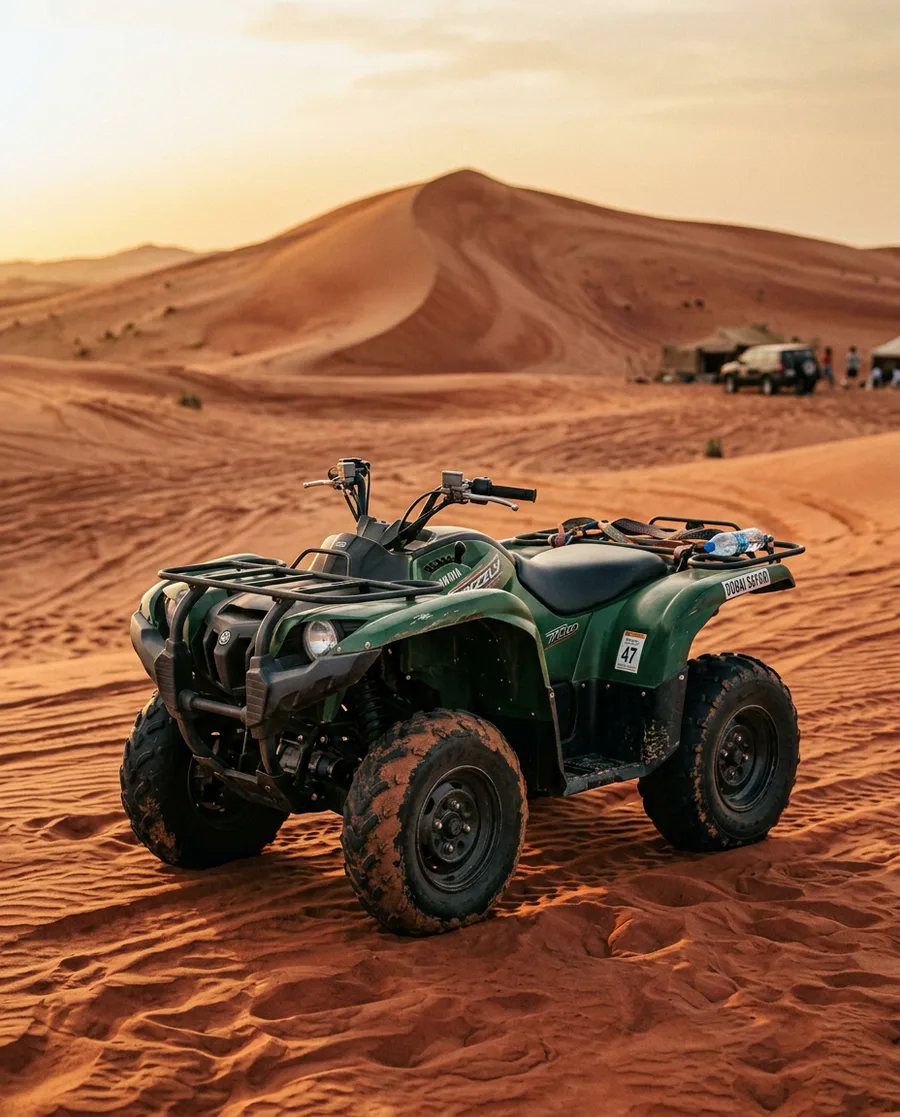
When comparing ATV Ride Dubai options, look at the full experience rather than ride length alone. A well-run outing with a clear briefing, sensible pacing and a route suited to the group is usually more worthwhile than a longer ride that feels rushed or poorly matched.
Questions worth asking before you confirm
A short set of questions can cover most of the important ground. The answers should be direct and easy to understand. If a reply feels vague, ask again in a more specific way.
- What experience level is the ride best suited to?
- What safety briefing and helmet checks are provided?
- What terrain and pace should riders expect?
- How are groups managed on the trail?
- What happens if weather affects the ride?
Booking becomes simpler when these points are settled early. The right ride should feel clear from the first conversation: who it suits, how it runs and what riders need to do to take part safely. That preparation leaves more room for the part that matters, which is enjoying the off-road experience with confidence.